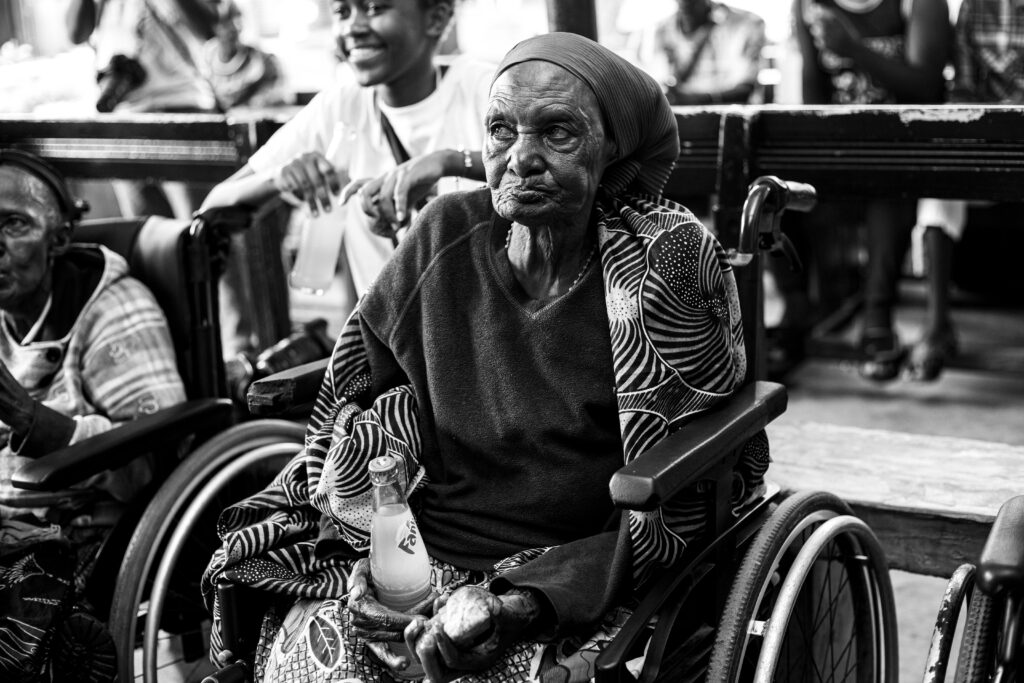
As Kenya marks 63 years of self-rule, approximately 3.5 million Kenyans aged ≥ 60 remain trapped by the very enemies [poverty, disease, and ignorance] that independence vowed to end!
| 3.5 million Kenyans aged 60+ | KES 2,000/month Cash transfer | Ages 60–69 Locked out of safety net entirely |
Tomorrow, the nation will gather in flashy outfits and military regalia. Flags will wave. Lofty speeches will echo through packed stadiums. And yet, miles away in quiet, mud-walled rooms from Busia to Kilifi, from Migori to Turkana, lives the generation that actually built the foundations of this country. For them, the promises of 1963 have not aged like fine wine. They have precipitated into six decades of systemic neglect. At independence, Kenya’s founding fathers committed to eradicating what they called the “unholy trinity” of national enemies. The passage of 63 years has not buried that trinity. For older Kenyans, it is alive and thriving.
ECONOMIC ABANDONMENT
Ageing in Kenya has become synonymous with poverty
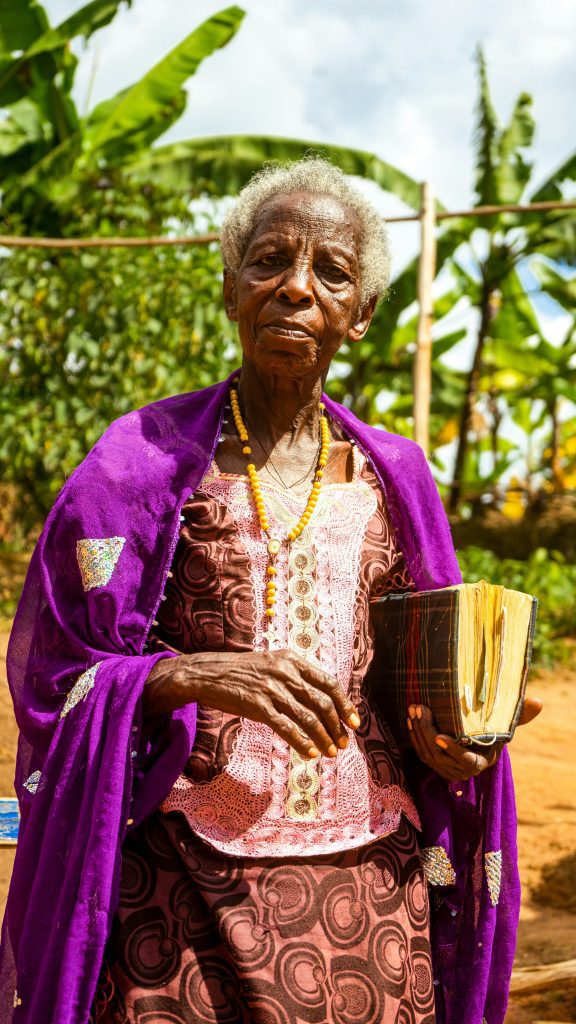
The Kenya Social Protection Policy promises income security and dignity for older persons. The reality is the Inua Jamii Older Persons’ Cash Transfer (OPCT) KES 2,000 (roughly $15) per month. With today’s inflation, that amount cannot sustain a dignified life. It cannot reliably buy a month’s supply of basic staple food. But the deeper injustice is structural. The OPCT applies only to those aged 70 and above. The ‘younger-old’ aged between 60 and 69, are categorically excluded. They have hit the mandatory retirement age and therefore face severe ageism in the informal job market and have no safety net to catch them. In a country where the majority of the workforce has never known a formal pension, turning 60 is not a milestone. It is the beginning of a slow financial emergency.
“A nation that abandons the pillars who built its foundation has very little to celebrate.”
MEDICAL DEPRIVATION
Healthcare reform has not reached the ward that needs it most
Independence leaders promised accessible healthcare for all. The Ministry of Health’s own Healthy Ageing and Older Persons’ Health Strategy acknowledges that older Kenyans bear a disproportionate burden of non-communicable, lifestyle, and degenerative diseases including diabetes, cancer, and hypertension among other disease conditions. Yet as the country navigates bumpy healthcare reforms including the Social Health Insurance Fund (SHIF), geriatric care remains virtually absent from public health facilities. The consequences are not abstract. Public hospitals have become sites of financial distress, where older persons are routinely forced to make a choice no human being should ever face. They have to decide to either buy food, or buy the medication that keeps them alive. A single health crisis is all it takes to push an entire family into bankruptcy.
ABUSE AND SOCIAL ISOLATION
Ubuntu promised, but abandonment delivered
Freedom from colonial rule was meant to restore the African spirit of communal dignity otherwise known as Ubuntu. Instead, rapid urbanization and economic strain have hollowed out traditional family structures. According to the National Gender and Equality Commission (NGEC), an alarming number of older persons are being entirely abandoned or dumped at public hospitals by overwhelmed families who can no longer afford their care.
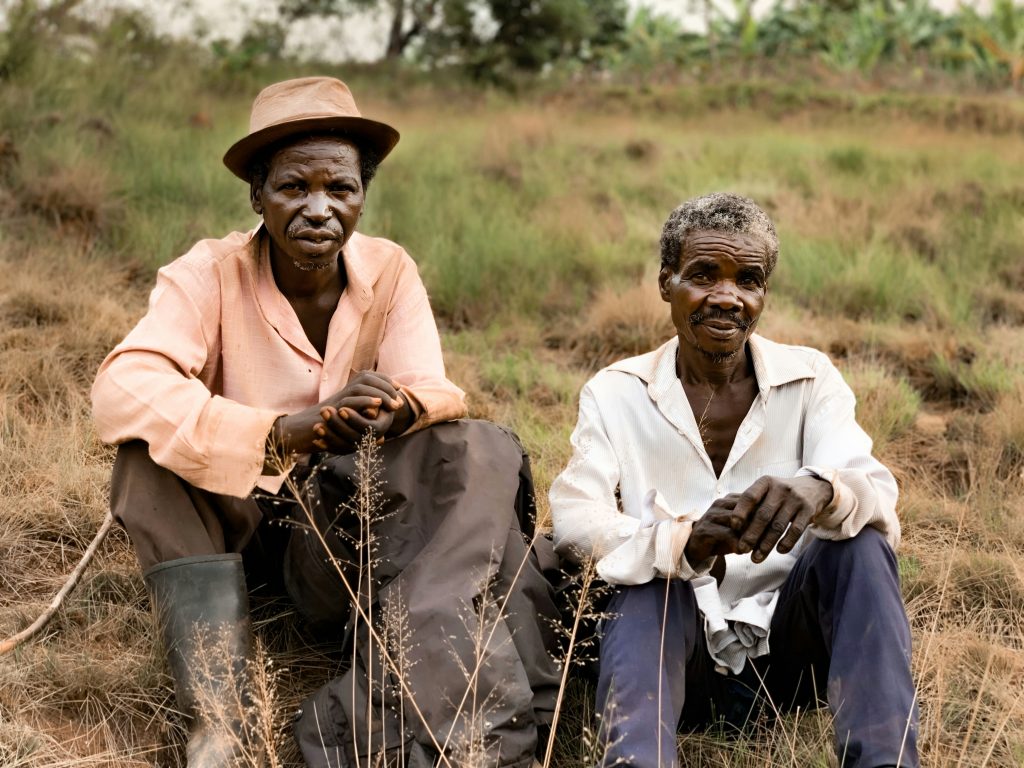
Isolated in rural villages, many battle severe depression and hunger, alone. And in regions including parts of the Coast and Western Kenya, older persons, particularly widowed women, face a particularly sinister form of violence. They face false witchcraft accusations. These are rarely driven by superstition or cultural norms. They are calculated, violent ploys by younger relatives to seize ancestral land and property. The failure of both education, security, and justice systems has allowed this scourge to thrive unchecked.
RIGHTS AND POLICY
Rights on paper do not put food on the table
The tragedy of modern Kenya is not a lack of paperwork. Article 57 of the Constitution of Kenya guarantees older persons the right to live in dignity, receive reasonable care, and be protected from abuse. The National Policy on Older Persons and Ageing exists. The frameworks are there. What is missing is political will, budgetary allocation, and legislative urgency. The Older Persons Bill has stalled in legislative pipelines for years. It is just a monument to good intentions and absent commitment. Picture this: a Kenyan born at the dawn of independence in 1963 turns exactly 63 years old today. Their vulnerabilities are a mirror image of the nation’s unfulfilled promises.
CALL TO ACTION
True Madaraka is still unfinished business
Celebrating self-governance must include accounting for those who built the nation. Here is what must change, now.
| 1 | Expand the OPCT immediately. Lower the eligibility age from 70 to 60, and increase the monthly transfer to a level that meets the actual cost of living. No older person should be excluded from a safety net simply because they are only 60 or 65 years old. |
| 2 | Pass the Older Persons Bill without further delay. The National Assembly must prioritize legislation that gives constitutional guarantees the force of enforceable law, with real penalties for neglect and abuse. |
| 3 | Build geriatric care into the public health system. The rollout of SHIF must explicitly include chronic disease management and geriatric services at the county level. Older persons must not be an afterthought in health reforms. |
| 4 | Prosecute witchcraft accusation crimes. The safety and security ecosystem, consisting of the police, interior ministry, Directorate of Public Prosecutions, and judiciary must treat elder abuse disguised as witchcraft accusations as the serious crimes. Community-level legal aid for older people must be funded. |
| 5 | Invest in the data. Kenya cannot solve what it does not measure. A dedicated national survey on the health, economic, and social status of older persons should be conducted and published every two years, informing evidence-based policy. |
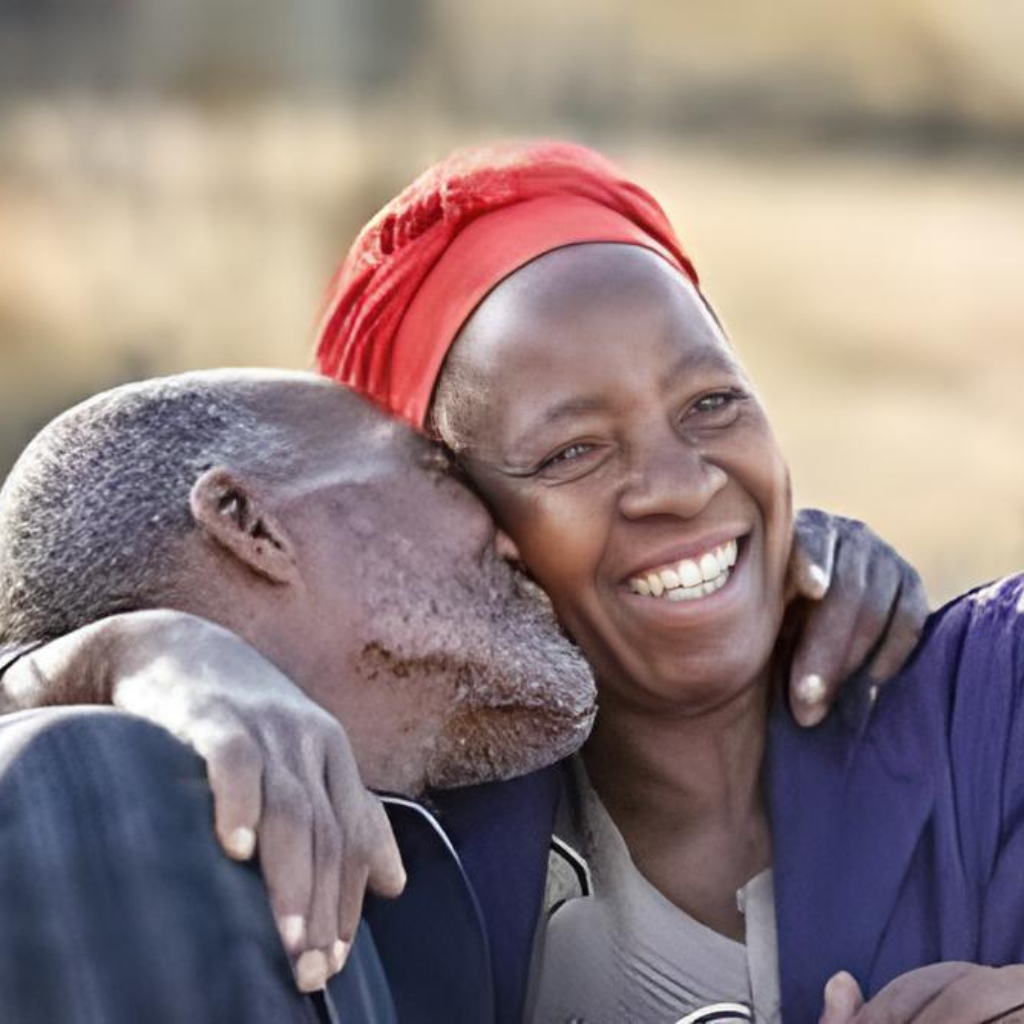
True Madaraka will only be achieved when reaching 60 in Kenya is a milestone of honour, not a sentence to suffering. The generation that planted the seeds of this nation deserves to see its harvest not from a distance, but at the table. If we are genuinely proud of this country, we must be willing to measure our freedom by the dignity of our most vulnerable citizens.
Share this article. Tag your Member of Parliament. Tag your Member of the County Assembly. Tag the Ministry of Health. Tag the Ministry of Labour and Social Protection. Help to build the conversation. www.healthyageing.or.ke
About the Author:
Considered a Friend of the Older Persons, Jude Otogo [ judevotogo@gmail.com ] is a Public Health practitioner and a Leader in Nexus Humanitarian, and International Development, Programming.