And Why Kenya and Africa Can’t Afford to Wait
healthyageing.or.ke | May 2026 | Est. reading time: 5 minutes
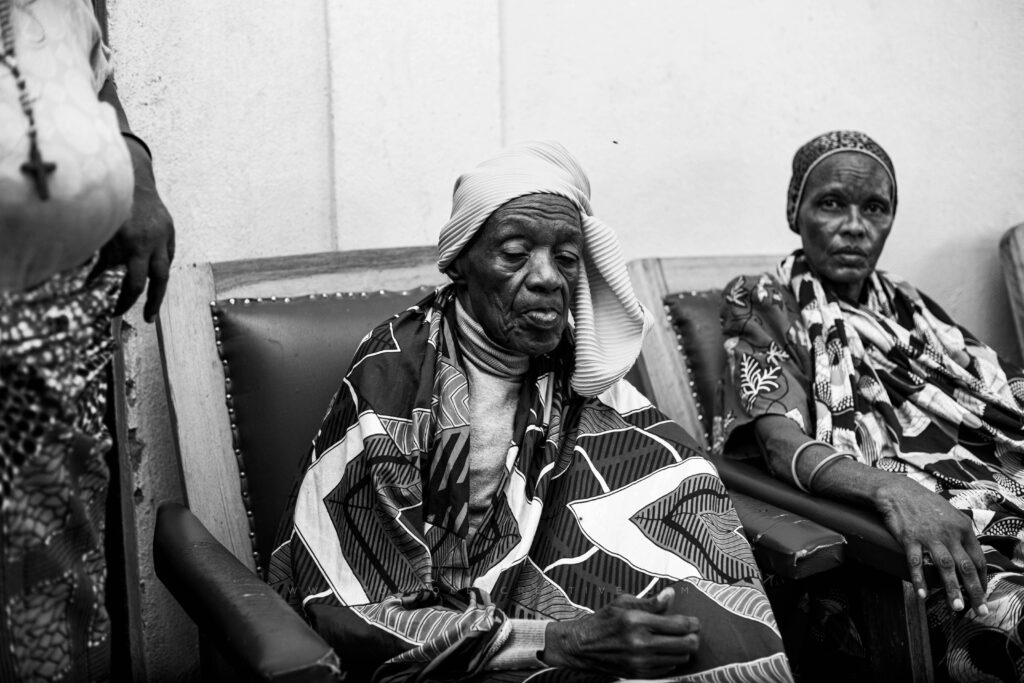
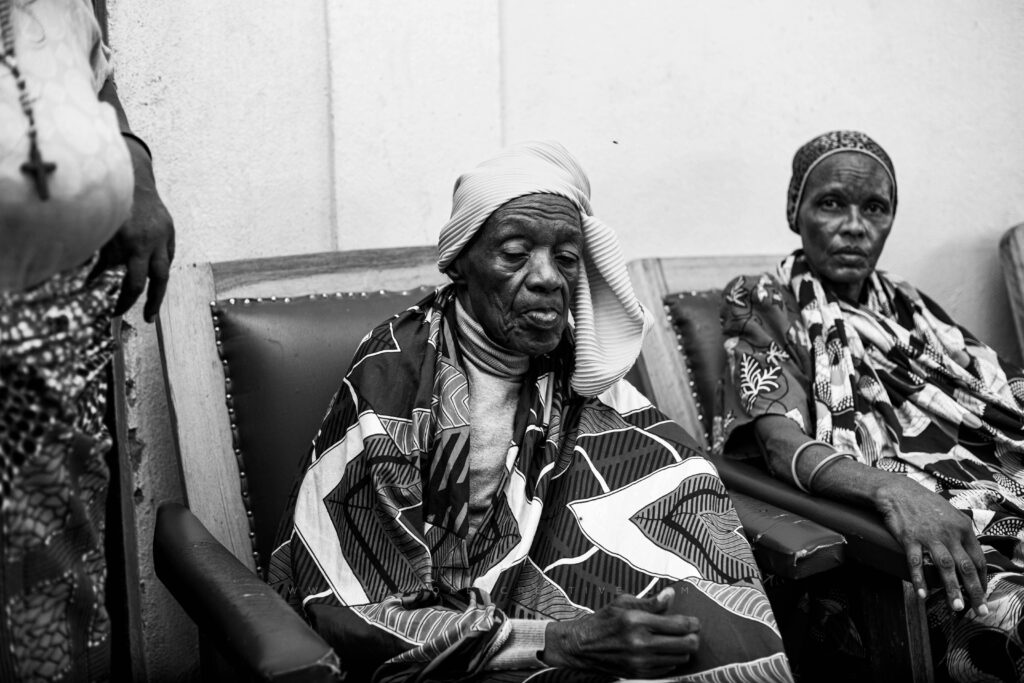
Picture a 68-year-old woman in Kisumu County Kenya. She wakes up at dawn, prepares breakfast for her orphan grandchildren. She them to school then settles to work on her small casava farm till 11 am. Later, most likely on empty stomach, or after taking a bowl of porridge, she walks 30 minutes to the nearest health center to check her blood pressure. She also hopes to refill her medication during the visit. However, when she arrives, she is met with a sad reality; her medicines are out of stock. She returns home, tired. She stays alone at home for the rest of the day waiting for her grandchildren to come back from school. Later that evening, she asks to use a neighbour’s phone to tell her children that she only has five pills left and the health center does not have any in stock.
This is not an exceptional story. For millions of older persons in Kenyans and Africa, it is just another Thursday; business as usual.
“For millions of older persons in Kenya and indeed Africa, growing old should not mean suffering in silence.”
Kenya is Getting Older Faster Than Most People Realize
According to the Kenya National Bureau of Statistics, the population of Kenyans aged 60 and older is projected to more than double by 2050, rising from approximately 2.7 million 2019 to over 9.4 million. Globally, the World Health Organization estimates that by 2030, one in six people in the world will be aged 60 or older. Africa, which has for long been considered as a ‘youthful continent’, is undergoing a demographic transition that its health systems, social protection mechanisms, and communities are not prepared to shoulder.
The world Health organization defines Healthy ageing as the process of developing and maintaining the functional ability that enables wellbeing in older age. It is not merely about living longer. It is about living well. It is about whether that woman in Kisumu can manage her blood pressure. It is about remaining physically active and mobile. It is about staying socially connected, and in being connected, building and maintaining fulfilling relationships. It is about learning, staying current, growing and making important decisions. It is about making a worthy contribution in society, and even more importantly, retaining dignity and independence as one grows older.
The Burden is Real although Uneven
Non-communicable diseases such as hypertension, diabetes, arthritis, and dementia are the leading drivers of disability among older adults in sub-Saharan Africa. In Kenya, specialist geriatric care is almost nonexistent. Many older adults live below the poverty line, and social protection, including the Older Persons Cash Transfer Programme (OPCT), reaches only those aged 70 and above, leaving millions without a meaningful safety net.
Women bear a disproportionate share of the burden. They live longer, are more likely to be widowed, and are less likely to have formal pension. In rural areas, older women carry heavy caregiving responsibilities for orphaned grandchildren even as their own health needs go unmet.
Isolation and loneliness are a silent but serious health threat. As children migrate to towns, older persons in rural areas are increasingly left alone. Spouses die. Peers pass on. Mobility barriers cut them off from participating in community and church activities. Research has consistently linked chronic loneliness to depression, cognitive decline, and cardiovascular disease. In a society where family has always been the primary safety net, its deterioration leaves older persons doubly vulnerable.
Ageism, discrimination on the basis of age, permeates health facilities, workplaces, and families. Older patients are dismissed or spoken over, their symptoms attributed to “just getting old.” Older workers are edged out prematurely. Within families, elders are often reduced to dependents rather than recognized as contributors. Among the most extreme manifestations of ageism in parts of Kenya and sub-Saharan Africa are witchcraft accusations which have led to exclusion, violence, displacement, and extreme cases, death.
Underpinning all of these challenges is a weak legal and policy framework. Kenya’s Constitution of 2010 guarantees older persons the right to care, but no standalone Older Persons Act exists. Social protection excludes those aged 60 to 69 entirely. At the continental level, the African Union’s Protocol on the Rights of Older Persons has not yet entered into force. Without enforceable protections, older persons lack formal recourse against abuse, neglect, and discrimination.
But There is Reason for Hope
Kenya, like most countries in the continent, has a rich cultural tradition of respecting and caring for elders. Communities have always found ways to integrate older members into family and social life. The question before us now is whether we can build on that foundation with the tools of modern public health such as evidence-based interventions, community health systems, informed policy, and technology to ensure every older person experiences and enjoys healthy ageing.
Invitation to be Part of the Conversation
This is a space for older persons, caregivers, health professionals, researchers, policymakers and indeed everyone who believe that growing old in Africa should not be a condemnation or sentence to suffer in silence. Here, we will explore and exploit practical healthy ageing issues rooted in local realities and evidence. We will interrogate policy, share research, amplify community voices, and ask difficult questions about the kind of society we want to become as our population ages.
Whether you are a 65-year-old managing a chronic condition, a daughter caring for an ageing parent, a service provider seeking knowledge, a decision-maker looking for evidence, a younger adult or a child, this space is for you.
“Healthy ageing is not a luxury for wealthy nations. It is a right. And in Africa, the time to act is now.”
About the Author
Ocula Jude Otogo is a public health practitioner and humanitarian/international development Leader. He is a founding member of the Regional Cener for Healthy Ageing. This blog is a platform to connect evidence, policy, community, and practice for the Promotion of Healthy Ageing and Addition of Life to Years.
www.healthyageing.or.ke | Share this article and help build the conversation.